








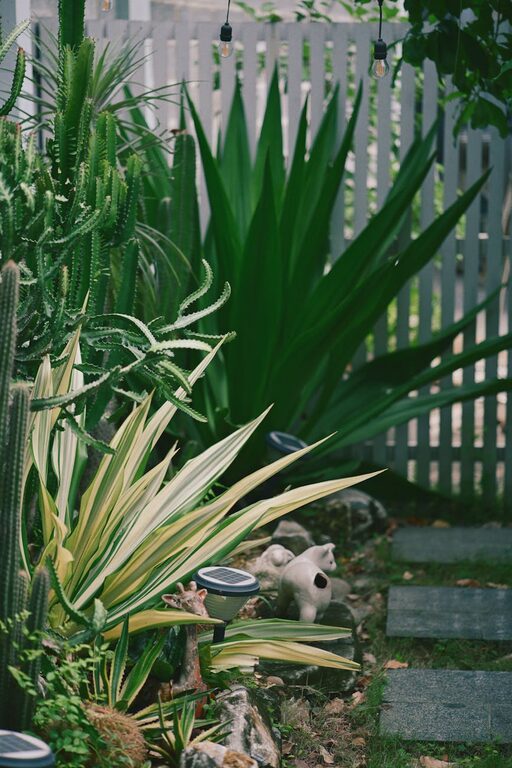
Creating a relaxing home garden space can be a wonderful way to bring peace and beauty into your daily life. Whether you have a large backyard or a small balcony, with a few thoughtful touches, your outdoor area can become a soothing sanctuary. Here are practical tips to help you design a garden that encourages relaxation, offers a connection to nature, and becomes your favourite place to unwind.
Why Create a Relaxing Garden Space?
Spending time outdoors has been shown to reduce stress, improve mood, and boost overall well-being. A garden designed with relaxation in mind provides a natural escape where you can enjoy fresh air, listen to birdsong, and appreciate the changing seasons. A calm environment helps clear your mind and recharge, making a garden an ideal spot for reading, meditation, or simply enjoying a cup of tea.
Choosing the Right Location
Before you start planting or decorating, consider the location carefully. Here are some points to guide you:
– Sunlight: Observe how much sun your garden receives throughout the day. Most relaxing plants thrive in partial to full sun, but shaded areas can also create a peaceful atmosphere.
– Privacy: Look for spots shielded from neighbours or passing foot traffic. Use hedges, trellis panels, or fences to create a private nook.
– Accessibility: Ensure the space is easy to reach and walk around, especially if you plan to spend extended time there.
– Viewpoints: Design seating or lounging areas facing your favourite parts of the garden, be it colourful flower beds or gently swaying trees.
Selecting Plants for Calm and Colour
Plants play a vital role in creating a relaxing garden. Their colours, scents, and textures all contribute to a peaceful vibe. Consider these options:
Soothing Colours
– Soft greens have a calming effect and help reduce anxiety.
– Pastel shades like lavender, pale pink, and light blue are gentle on the eyes.
– White flowers can brighten shady spots and add a clean, fresh feel.
Fragrant Plants
Fragrance enhances relaxation and can improve mood. Try including:
– Lavender: Known for its calming scent.
– Jasmine: Sweet-smelling and blooms in warmer months.
– Rosemary: Offers a pine-like aroma and is also useful in cooking.
– Sweet peas and gardenias for summer scent.
Textures and Movement
Mix plants with various leaf shapes and sizes to add interest. Grasses and ferns gently moving in the breeze can add a soothing dynamic quality. Avoid overly thorny or prickly plants near seating areas.
Comfortable and Inviting Seating
A relaxing garden isn’t complete without a comfortable place to sit and enjoy the surroundings. Here are some ideas:
– Benches: Wooden benches with cushions can be perfect for a cosy spot.
– Hammocks or Swings: Add a playful yet relaxing element.
– Outdoor Sofas or Armchairs: For a more luxurious feel.
– Portable chairs: Flexible and can be moved to where the shade or sun suits you best.
Remember to add weatherproof cushions and consider a table for drinks or books.
Incorporating Water Features
The sound of moving water can be incredibly calming. Consider adding:
– A small fountain or bubbler
– A pond with aquatic plants and maybe fish
– A birdbath which also encourages wildlife visits
Even a simple water feature can give your garden a tranquil audio landscape, masking noise from roads or neighbours.
Use of Lighting for Atmosphere
Outdoor lighting extends garden enjoyment into the evening and can add a magical touch.
– Soft fairy lights strung through trees or along fences
– Solar-powered lanterns lining paths
– Subtle uplighting to highlight trees or shrubs
Avoid harsh lighting which can disturb the peaceful mood.
Creating Shade and Shelter
Having options to shelter from sun or light rain makes the garden usable year-round.
– Pergolas or gazebos with climbing plants provide dappled shade.
– Large umbrellas or sail shades can be moved as needed.
– Planting a deciduous tree offers summer shade and winter sunshine.
Adding Personal Touches
Incorporate elements that reflect your style and bring joy:
– Garden ornaments or sculptures
– A small herb or vegetable patch
– Wind chimes for gentle sounds
– Outdoor rugs or mats to add warmth underfoot
These details make your garden feel welcoming and truly your own space.
Maintain with Relaxation in Mind
A low-maintenance garden reduces stress rather than adding to it. Consider:
– Using mulch to reduce weeds and retain moisture
– Choosing hardy, drought-tolerant plants
– Setting aside a regular but manageable time for gardening tasks
– Using automatic irrigation systems if possible
Encouraging Wildlife
Birds, butterflies, and bees not only help your garden thrive but enhance your enjoyment.
– Plant native flowers to attract pollinators.
– Include bird feeders and nesting boxes.
– Avoid chemicals harmful to wildlife.
Nature’s presence often deepens that feeling of calm and connectedness.
Final Thoughts
Transforming your outdoor space into a relaxing garden is a rewarding project that benefits both mind and body. By considering location, plant choices, seating, water features, lighting, and personal touches, you can create a peaceful retreat tailored to your needs. Remember, the best garden is one that brings you joy and comfort.
Enjoy designing your green sanctuary and the many moments of calm it will offer throughout the year.