

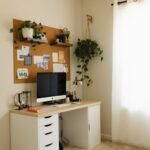





Working from home has become a common reality for many, offering flexibility but also new challenges. One of the most important factors in maintaining productivity and wellbeing is having a home office environment that promotes focus and reduces stress. Creating a relaxing space doesn’t require a complete overhaul — with thoughtful choices and small changes, you can transform your workspace into a haven for work and wellbeing alike.
Why a Relaxing Home Office Matters
Your home office is more than just a desk and computer. It’s a space where you spend hours each day, so its design and atmosphere affect your mood, energy levels, and ability to concentrate. A cluttered, uncomfortable, or uninspiring workspace can increase stress and decrease motivation. In contrast, a carefully arranged and calming office helps you stay organised, think clearly, and maintain a positive attitude towards work.
Tips for Designing a Relaxing and Productive Workspace
1. Choose the Right Location
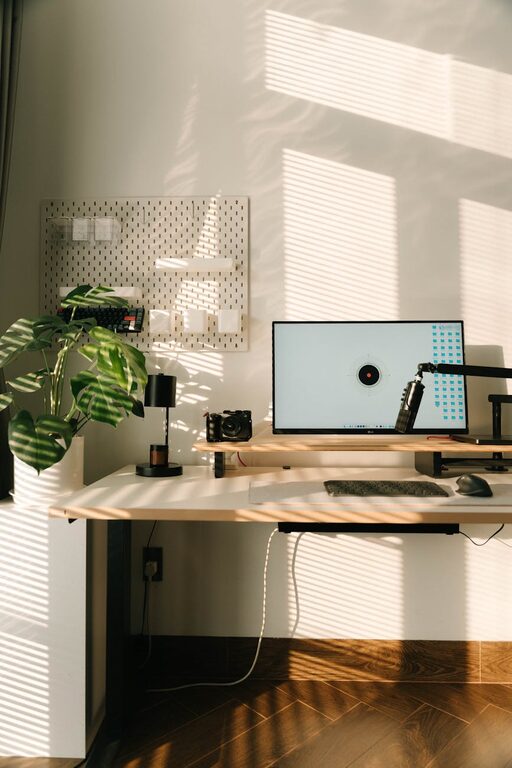
If possible, pick a quiet area in your home with minimal distractions. Natural light is ideal, as it helps regulate your body clock and improves mood. Position your desk near a window to enjoy daylight and outside views. If natural light is limited, invest in bright but soft artificial lighting to avoid eye strain.
2. Prioritise Comfort and Ergonomics
Spending long hours at a desk means comfort is key for both productivity and health.
– Select an adjustable chair that supports your lower back.
– Keep your feet flat on the floor or on a footrest.
– Position your computer screen at eye level to reduce neck strain.
– Use a separate keyboard and mouse if working on a laptop.
Taking care of ergonomics helps prevent aches and improves focus throughout the day.
3. Keep It Clutter-Free and Organised
A tidy workspace reduces distractions and mental clutter. Use smart storage solutions to keep documents, cables, and stationery organised:
– Shelves, filing cabinets, and drawer organisers help store items out of sight.
– Use cable organisers to avoid messy wires.
– Keep your desktop clear except for essentials like your computer, planner, and a few personal touches.
Setting aside a few minutes at the end of each day to tidy your desk can create a fresh start every morning.
4. Add Personal and Calming Touches
Personalising your workspace helps create a pleasant atmosphere and reduces stress.
– Plants are excellent for air quality and can add calming greenery.
– Use soft colours on walls or accessories, such as blue or green, known to encourage relaxation.
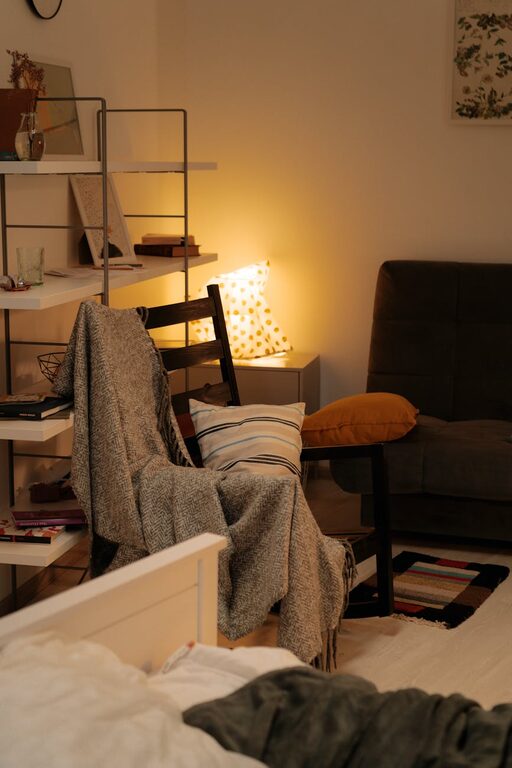
– Include a few photos, artwork, or objects that make you smile.
– Consider a small diffuser with essential oils like lavender or eucalyptus to enhance calmness without being overpowering.
5. Create Zones for Different Activities
If your space allows, divide your office into zones to separate tasks:
– A main desk area for focused computer work.
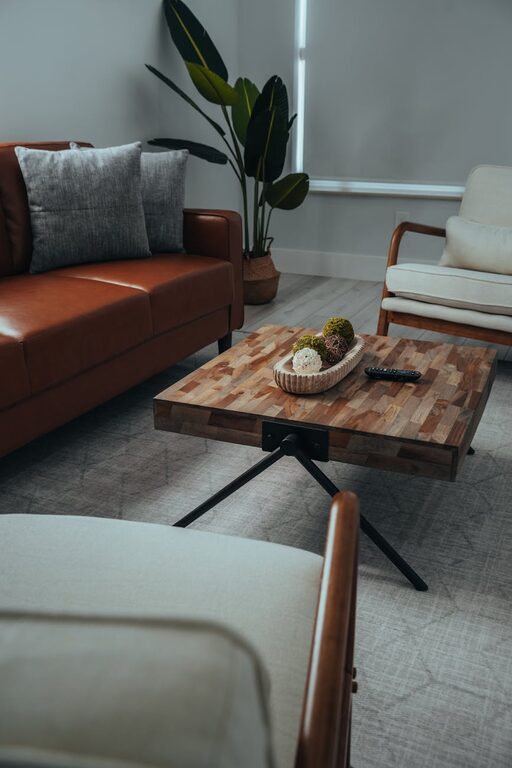
– A reading or brainstorming spot with comfortable seating.
– A storage area for supplies and files.
Changing your position or environment within the room can help refresh your mind and prevent fatigue.
6. Manage Noise Levels
Noise distractions can interrupt your concentration and increase irritation.
– Use noise-cancelling headphones or white noise machines if your home is noisy.
– Soft background music or nature sounds can sometimes boost focus.
– Close doors and windows when you need quiet.
Communicate clear working hours to family members or housemates to minimise interruptions.
7. Maintain Good Air Quality and Temperature
A fresh and comfortable atmosphere supports alertness and health.
– Open windows regularly for ventilation.
– Use an air purifier if air quality is poor.
– Keep the room at a comfortable temperature with fans or heaters as needed, avoiding extremes.
8. Take Regular Breaks and Move Around
No matter how well your office is set up, it’s important to step away from the desk regularly.
– Use a timer to remind yourself to take short breaks every hour.
– Stretch, walk around, or do light exercises to reduce muscle tension.
– Use breaks to hydrate and have healthy snacks to keep energy stable.
Final Thoughts
Creating a relaxing home office environment is an investment in your productivity and wellbeing. By choosing the right location, prioritising comfort, staying organised, and adding calming elements, you can build a space that nurtures focus and reduces stress. Remember to manage noise, air quality, and remember to move throughout the day. With some simple adjustments, your home office can become a peaceful and inspiring workspace where you do your best work and feel good doing it.