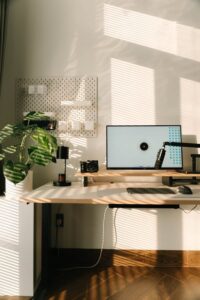

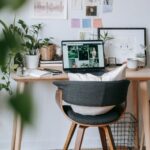
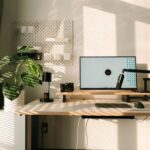
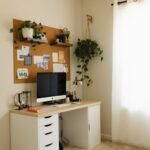

Working from home has become a common practice for many, making the need for a dedicated and effective home office space more important than ever. A well-designed workspace can enhance your productivity and promote a sense of calm, allowing you to focus and feel motivated throughout the day. Whether you have a spare room or just a small corner, creating a cosy and functional home office is achievable with a few thoughtful touches. Here are some key tips to help you set up your ideal workspace.
Choose the Right Location
The first step in creating a successful home office is finding the best spot in your home. Ideally, this should be a quiet area, away from daily distractions like the television or the kitchen.
– Natural Light: Aim to position your desk near a window. Natural light improves mood and reduces eye strain.
– Privacy: If possible, select a space that can be closed off or separated from the rest of the house for undisturbed work periods.
– Accessibility: Make sure the location allows easy access to electrical outlets and internet connections.
Invest in Comfortable and Supportive Furniture
Your furniture plays a crucial role in both comfort and productivity.
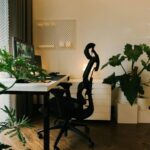
– Ergonomic Chair: Choose a chair that supports your back and promotes good posture. This reduces the risk of discomfort and long-term health issues.
– Spacious Desk: Select a desk that fits your work style. It should be large enough for your computer, documents, and other essentials without feeling cramped.
– Adjustable Options: Consider height-adjustable desks or chairs that allow you to switch between sitting and standing.
Organise and Declutter Efficiently
An organised workspace can reduce stress and increase efficiency.
– Storage Solutions: Use shelves, filing cabinets, or desk organisers to keep paperwork and stationery tidy.
– Cable Management: Tidy cables using clips or sleeves to prevent tangling and clutter.
– Minimalism: Keep only essential items on your desk to maintain a clean and distraction-free environment.
Personalise Your Space
Adding personal touches can make your office more enjoyable and inviting.
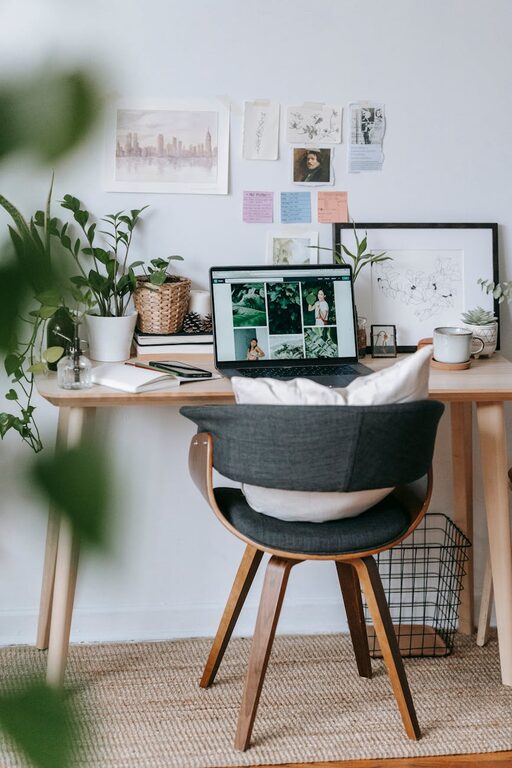
– Plants: Indoor plants enhance air quality and add a splash of nature, which can improve concentration.
– Artwork and Photos: Choose images or decorations that inspire and motivate you.
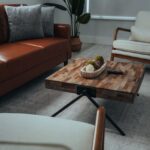
– Soft Furnishings: Use cushions or rugs to soften the space and boost comfort.
Optimise Lighting
Good lighting is essential for reducing eye fatigue and maintaining alertness.
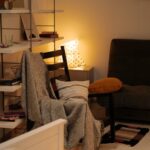
– Layered Lighting: Combine natural light with artificial sources such as desk lamps and overhead lights.
– Task Lighting: A focused desk lamp can illuminate your work area without creating shadows.
– Adjustable Brightness: Use lamps with adjustable brightness to tailor the light to different tasks or times of day.
Use Technology Wisely
Technology should enhance your work experience without causing distractions.
– High-Speed Internet: Ensure your connection is reliable for video calls and online tasks.
– Noise-Cancelling Headphones: These can help you concentrate in noisy environments.
– Charging Stations: Keep your devices charged and organised with designated charging spots.
Maintain a Comfortable Temperature and Air Quality
Comfort involves more than just furniture; the environment matters too.
– Ventilation: Keep the space well ventilated to prevent stuffiness.
– Temperature Control: Use fans, heaters, or air conditioning to maintain a comfortable temperature year-round.
Develop Good Habits
Finally, establishing routines and boundaries will help you make the most of your home office.
– Scheduled Breaks: Step away regularly to stretch and rest your eyes.
– Defined Work Hours: Set clear start and finish times to separate work from home life.
– Keep It Professional: Treat your home office as a workspace to stay focused and productive.
—
Creating a cosy and functional home office is about balancing comfort with efficiency. By carefully planning your space and adding thoughtful touches, you can enjoy a productive workday right at home. Remember, the best home office is one that suits your personal preferences and work needs. Take your time to experiment and adjust until you find the perfect setup for you.