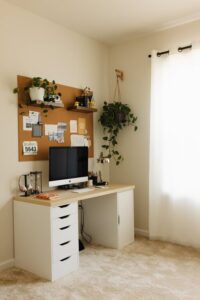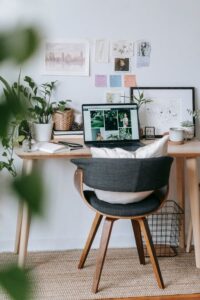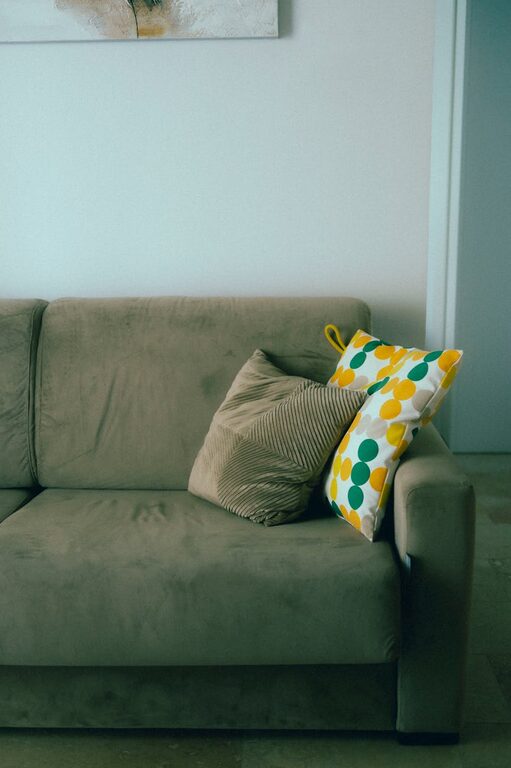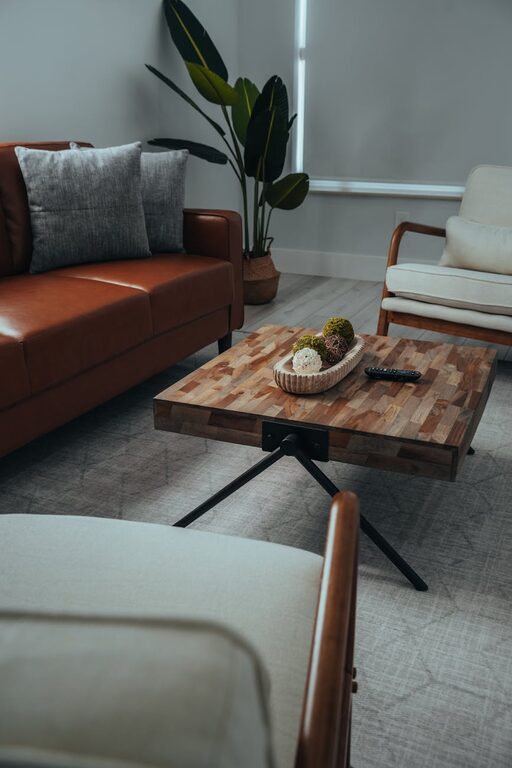

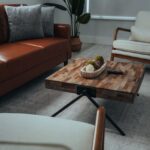
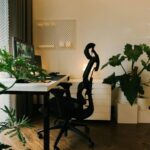

Creating a home office that balances relaxation and productivity can significantly improve your work-from-home experience. Whether you are setting up a new workspace or looking to refresh an existing area, a well-designed home office can motivate you, reduce stress, and help maintain a healthy work-life balance. Here are some useful tips to create a comfortable and productive home office environment.
Choose the Right Location
The first step is selecting the best spot in your home for your workspace. Ideally, choose a quiet area with good natural light and minimal distractions. If possible, use a separate room to create a boundary between work and personal life. Avoid working from your bedroom or sofa, as these spaces can hinder concentration and disrupt your routine.
Consider Natural Light
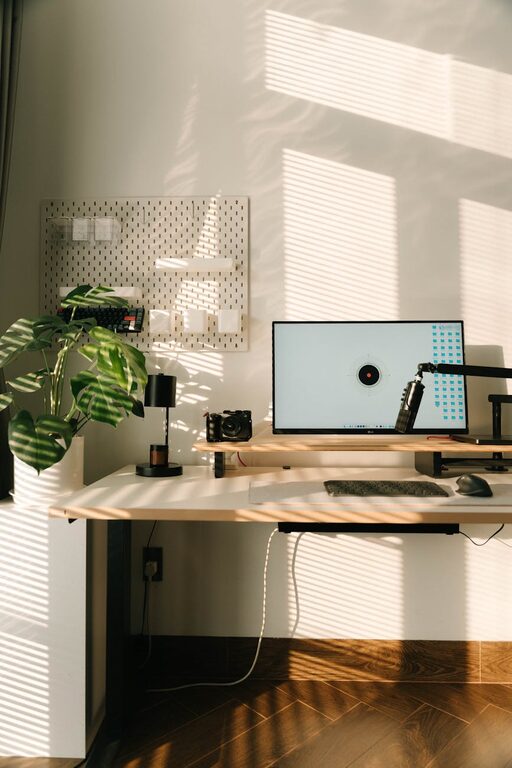
Natural light improves mood, reduces eye strain, and helps regulate your body clock. Position your desk near a window to benefit from daylight, but be mindful of screen glare. If natural light is limited, invest in good quality artificial lighting that mimics daylight to keep your space bright and energising.
Invest in Ergonomic Furniture
Comfort plays a key role in maintaining productivity. An ergonomic chair and desk help prevent back strain and fatigue during long work hours. Look for adjustable chairs that support your lower back and encourage good posture. Your desk should provide enough space for your equipment and be at a comfortable height to avoid strain on your wrists and shoulders.
Keyboard and Monitor Positioning
Keep your keyboard and mouse close enough to avoid overstretching your arms. The top of your monitor should be at or slightly below eye level, about an arm’s length away. This setup helps reduce neck and eye strain.
Keep Your Workspace Organised
A clutter-free workspace promotes focus and efficiency. Use storage solutions such as shelves, filing cabinets, or desk organisers to keep documents and supplies neatly stored. Regularly declutter your desk to maintain a clean, inviting area.
Digital Organisation
Besides physical organisation, maintain a tidy digital workspace. Create clear folder structures, delete unnecessary files, and manage your emails to reduce digital distractions.
Personalise Your Space Wisely
Adding personal touches can make your office more inviting and comfortable. Display a few items that inspire you, like artwork, plants, or photos. However, avoid overdecorating, as too many items can cause distraction.
Bring in Some Greenery
Indoor plants not only brighten up a space but also improve air quality and increase feelings of calm. Choose low-maintenance plants like succulents or spider plants if you’re new to gardening.
Control Noise Levels
Noise can be a major distraction when working from home. If possible, use a room with a door to block out household noise. Consider noise-cancelling headphones or soft background music to improve concentration.
Maintain Good Air Quality and Temperature
Fresh air and a comfortable temperature support alertness and wellbeing. Open windows regularly for ventilation. Use a fan or heater as needed to keep the room at a pleasant temperature, typically between 18 and 22 degrees Celsius.
Use Colour to Influence Mood
Colour can affect how you feel and work. Light blues and greens tend to promote calmness and focus, while brighter colours like yellow may boost creativity. Choose colours that suit your personality and work style, either through paint, accessories, or artwork.
Set Boundaries and Routine
A relaxing and productive office isn’t just about the physical space—your habits matter too. Set clear work hours and breaks to maintain a healthy balance. At the end of the day, tidy your desk and switch off your equipment to signal the end of work time.
Technology Setup
Ensure your technology is reliable and organised. A good quality Wi-Fi connection, a comfortable keyboard and mouse, and sufficient charging points will prevent frustrating interruptions.
Cable Management
Use cable organisers, clips, or sleeves to keep cords untangled and out of the way. A tidy workspace looks more inviting and helps you avoid distractions.
Incorporate Movement and Breaks
Finally, remember to incorporate movement throughout your day. Use a timer or app to remind yourself to stretch or take short walks. A few minutes away from your desk can refresh your mind and reduce physical tension.
—
Creating a home office that is both relaxing and productive takes some planning, but the benefits to your work and wellbeing are well worth the effort. By thoughtfully considering your environment, furniture, organisation, and routine, you can design a workspace that helps you thrive at home.